

 DE
Diaper rash – what to do? Treatment options
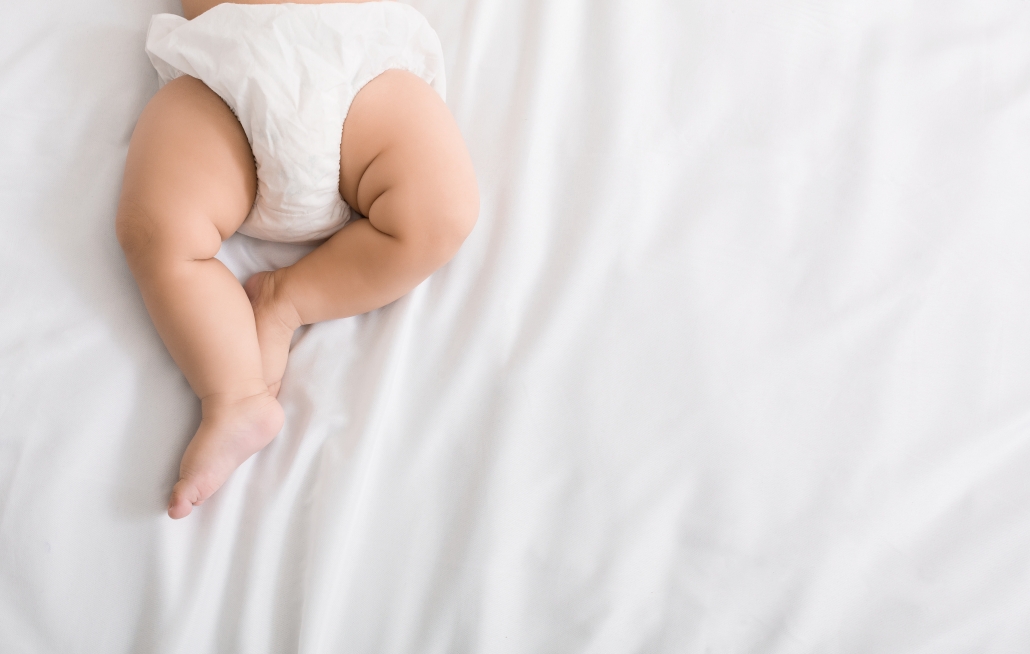
A warm, moist environment around the skin is the cause of the following problem. Although it mostly occurs in babies, it can also affect adults—for example, in cases of incontinence or when wearing a diaper temporarily or long-term due to illness.
For those affected, it is not a pleasant topic. This makes it all the more important to explain what the causes are and what to do. Because so-called diaper rash or diaper thrush is not a rare skin condition: Diaper rash – what to do? Treatment options.
Diaper rash – what is it?
A sore or reddened bottom is a skin condition that is not uncommon in babies. The warm, moist environment in the diaper is the perfect basis for diaper rash. Urine and stool collect in the diaper, and the warmth of the body and clothing is added. In this milieu, fungi and other germs feel very comfortable and can multiply optimally.
In addition, ammonia—formed from urea in urine—combined with moisture can soften the skin and thus disrupt the skin’s natural protective barrier. The longer these conditions persist, the more irritating they are for the skin. On the other hand, excessive hygiene is not always good either. If the skin is regularly cleaned with too much or even the wrong cleansing products and irritated at the same time, this can have the same consequences: sore and reddened skin, i.e., diaper rash.
Yeasts also often feel very comfortable in this moist environment. They often worsen the symptoms and cause scaly patches of skin, known as diaper thrush. However, bacteria excreted via urine and stool can also lead to an infection and to a weeping or even pus-filled wound.
Diaper rash – what helps?
Diaper rash or diaper thrush not only looks unpleasant, it is also very uncomfortable for those affected. Regular diaper changes are therefore very important to prevent diaper rash. However, it is more difficult to keep the diaper area dry if the baby—or the adult, too—suffers from diarrhea, for example. Whether for a baby or an adult (in care), regular diaper checks and changes are therefore essential. Always dry the skin in the diaper area carefully each time.
It is also crucial to use the right products. Oils or wet wipes tend to promote the growth of bacteria and germs. If the skin is already irritated, they can even cause an unpleasant burning sensation. Irritating ingredients put strain on the skin and further aggravate a sore bottom. However, it is not only ingredients in care products that can cause this skin reaction; certain foods are also said to have a skin-irritating effect. In babies, this is not so easy to diagnose. In adults, it is easier.
If you are unsure, a doctor should always be consulted so that the skin can be given the right treatment for the respective symptoms. A doctor should be consulted at the latest in the event of an infection with fungi or bacteria, as the skin irritation must then be treated with medication.
Treatment options
For first aid, you can:
- avoid highly acidic or spicy foods. This naturally applies especially to adults, but children who are already receiving complementary foods can also be affected. Even a baby who is still being breastfed can absorb irritating substances from foods via breast milk. It is important to take a close look here.
- chamomile baths can help soothe the skin
- avoid airtight plastic diapers or regularly let air reach the affected areas of skin.
- Creams with zinc oxide, such as ilon Woundcare, can provide quick support. They keep moisture away from sore skin, have antimicrobial properties, and thus fend off inflammation-triggering pathogens such as bacteria and fungi. They also support the body’s natural healing process.
- use care products without fragrances and preservatives to treat diaper rash.
- also check ingredients in diapers or detergent for skin-irritating components.
If you are interested, you can find more articles on relevant topics in our skin journal.
Image source: AdobeStock

