DE
Atopic dermatitis – what are the triggers and symptoms?
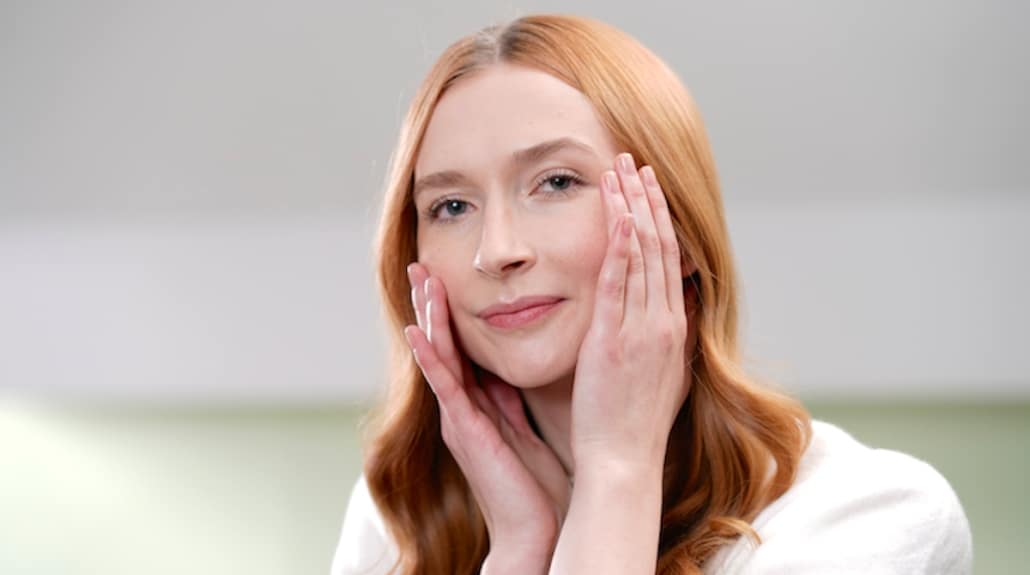
Dry, flaky skin? Severely itchy and reddened skin? The cause may be atopic dermatitis, a chronic inflammatory but non-contagious skin condition. To determine this, the advice of an expert is helpful.
According to current scientific knowledge, the cause of this type of inflammation or atopic disease is usually a genetically determined disorder of the skin’s natural barrier function. This, in turn, causes the skin to dry out quickly and makes it susceptible to external influences. In response to external stimuli, so-called eczema can form on the palms of the hands or soles of the feet. It is important to distinguish between internal and external stimuli or triggers. Read more in our article: Atopic dermatitis – what are the triggers and symptoms?
Trigger factors – triggers for a flare-up
Atopic dermatitis, also known as neurodermatitis or atopic eczema, is one of the most common skin diseases. According to estimates, approximately 10 to 15 percent of all children and about 2 to 3 percent of adults are affected. The inflammation often breaks out in infancy or early childhood, usually between the third and sixth month of life. In many cases, the symptoms disappear after puberty.
The disease usually progresses in flare-ups. Periods free of symptoms are followed by phases with sometimes very severe symptoms. In most cases, these flare-ups are triggered by certain factors. These include, for example, allergens, frequent washing, incorrect care products, and external influences such as climatic factors, high levels of air pollution, and environmental toxins. However, heavy sweating or psychological stress are also possible factors. Exactly which trigger factors cause a flare-up depends on the individual case.
Atopic dermatitis – typical symptoms
Characteristic complaints of atopic dermatitis are very dry and flaky skin, often with reddened, inflammatory areas. In later stages, severe itching and weeping may occur. The formation of nodules and pustules are also possible symptoms of atopic dermatitis. Since the face is the area of skin that cannot be protected by clothing, factors such as cold or wind often have an intensifying effect.
In infants, atopic dermatitis often appears on the head and face. It can also occur on the neck and other parts of the body. It is similar in adults. The manifestations of the inflammation can become clearly visible, especially around the eyes, the mouth, on the forehead, or the cheeks. In such cases, it is important to know the right care and how to handle it.
The often itchy skin is frequently scratched. The itching then stops at the moment of scratching or at areas scratched until they bleed. However, this looks unsightly, especially on the face. In addition, the scratched, open areas are ideal entry points for pathogens. If infections are then triggered by bacteria (e.g., Staphylococcus aureus) or fungi (e.g., Pityrosporum ovale), this can further intensify the atopic dermatitis. Therefore, it is important to find the right solution for oneself here as well.
Furthermore, sleeping is often difficult, as the itching simply does not allow atopic dermatitis patients to rest. On the one hand, there is the burden of sleep deprivation, and on the other, the changed appearance; this does not leave anyone unaffected. As a result, concentration problems often occur, which can represent a significant additional burden.
Atopic dermatitis – relieving symptoms
Atopic dermatitis is not curable, and those affected carry the predisposition within them for a lifetime. Therefore, alleviating the symptoms or extending the symptom-free phases is desirable. The treating physician usually recommends an individual treatment for atopic dermatitis. What helps with atopic dermatitis? Various measures are recommended, such as:
- Avoiding factors that can trigger an atopic dermatitis flare-up.
- Use regular basic care with a protective effect and plenty of moisture (e.g., ingredients such as Spiralin or urea). This allows dry skin to be supplied with sufficient moisture, kept supple, and the protective barrier to be improved. Fragrances, mineral oils, or preservatives should be avoided entirely. Here, the rule is: less is more.
- For skin cleansing, those affected should not use conventional soap or shower gel, as these further dry out the skin. Instead, pH-skin-neutral products are recommended. Incidentally, showering or bathing that is too hot can also irritate sensitive skin and should therefore be avoided.
- Depending on the severity and the area of skin, creams and ointments for external use can be applied. In certain cases, a doctor may also prescribe medication in the form of tablets or infusions to treat the inflammatory reactions.
- Herpes viruses can also spread more easily on inflamed skin. To prevent herpes from spreading to neighboring skin regions, the infection should be contained directly and treated by a doctor immediately.
- Therapy with UV light is also possible. However, this has potential side effects, such as the risk of a herpes infection or premature skin aging.
- According to studies, people with atopic dermatitis cope better if they are well-informed about the inflammatory skin disease. Therefore, courses teaching techniques for relaxation and managing the itching are provided to avoid frequent scratching. To prevent scratching the affected skin areas during sleep, cotton gloves are recommended, for example.
- In principle, a balanced, vitamin-rich diet helps to strengthen the body’s immune system. It is also helpful to largely avoid highly spiced foods, coffee, alcohol, or sugar. These can worsen the itching and promote a flare-up or inflammatory reactions in the body.
In infants, the symptoms often resemble seborrheic dermatitis. This is a non-contagious skin inflammation that, when it occurs in infancy, heals on its own within a few months. A mix-up should therefore be ruled out. If the atopic dermatitis is allergy-related, affected children may experience allergic reactions such as hay fever or allergic asthma. This usually applies until school age. If atopic dermatitis is suspected, it is therefore essential to consult a doctor.
Further topics on skin diseases and tips for handling them can be found here in our Skin Journal.