 DE
Have you always wanted to plan a bike tour?
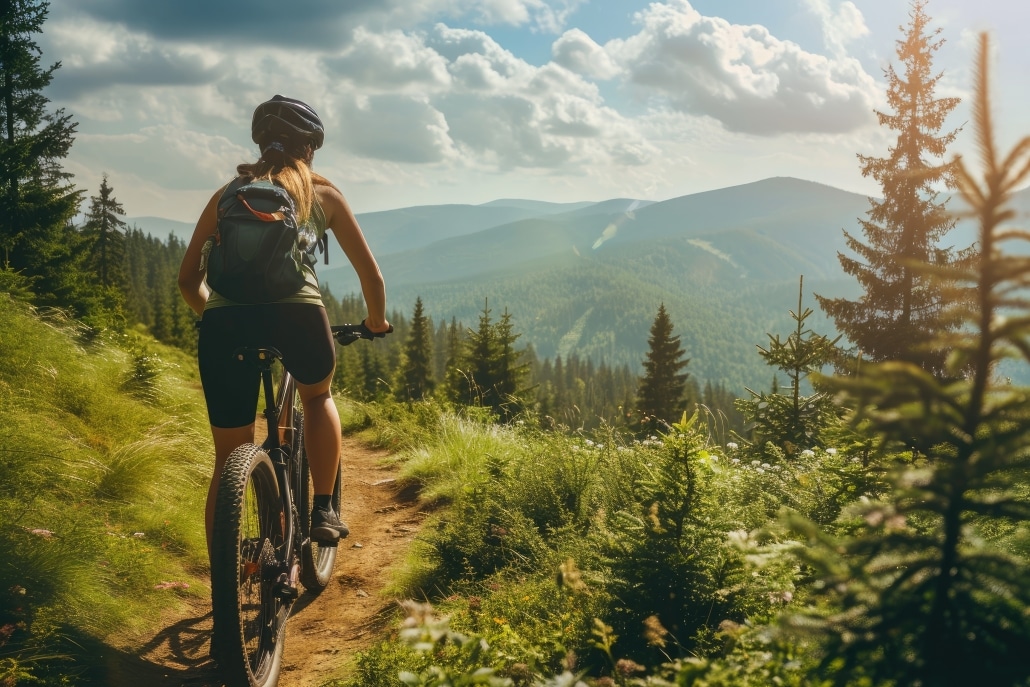
Bike tours are a wonderful experience, whether as a day trip or multi-day cycling holiday, whether alone, as a couple, with family, or with friends. However, not everyone is the type for simply setting off and seeing what happens and where the bike takes you. After all, the goal is to have a relaxing day or a pleasant adventure on the bike.
Have you always wanted to plan a bike tour? Here are simple tips and important advice to ensure your bike tour not only starts relaxed but ends that way too—with fun and relaxation for everyone.
Planning bike tours
Cycling without a plan? Better not! To avoid getting lost on the numerous bike paths, providers offer guided group tours—safe, relaxed, and full of discoveries.
Of course, some people think: “I have my smartphone for that!” True—there are great navigation apps. But what if the battery dies? On long tours, that’s not so unlikely—and power outlets are rather scarce on forest paths. And dead zones? Unfortunately, not uncommon in the midst of meadows and forests. That’s why a bit of preparation is worthwhile—not old-fashioned, just smart. And it can save a lot of stress when it matters.
There’s certainly nothing wrong with deviating from the route if the spirit of adventure strikes. However, traveling with a certain sense of orientation is definitely easier and less stressful. Depending on your fitness level, you shouldn’t necessarily choose the longest and hilliest bike paths right away. It’s also advisable to plan the bike tour so that the destination is ultimately the starting point again.
What belongs in every bike tour backpack? Our packing tips:
1. Sun protection for body and lips
Hands, scalp, face, and sensitive lips are always directly exposed to UV radiation while cycling. With short clothing, the skin on arms and legs is also exposed and needs appropriate protection. The duration of UV exposure during a bike tour is correspondingly long. Sun protection should be applied before the start of the tour and definitely reapplied along the way. Therefore, sunscreen for the body and lip protection should always be in the tour backpack. Otherwise, skin redness and sunburn will result, and this applies not only in strong sunshine. UV radiation also reaches our skin through cloud cover and can cause corresponding damage.
2. Protection against friction and pressure on the bike saddle
Anyone who has ever done a longer bike tour knows: as wonderful as the experience on two wheels is—the bottom, feet, or shoulders can hurt quite a bit afterward. Wherever friction or pressure occurs, the skin is particularly stressed. Recreational cyclists are especially familiar with this problem, as unlike experienced athletes, they often lack protective calluses or the knowledge of where it can quickly become uncomfortable. Proper preparation is all the more important—and it starts with choosing the right clothing. Padded cycling shorts and seamless functional underwear help distribute pressure and prevent chafing. The correct sitting position and a well-adjusted saddle are also crucial to prevent tension in the shoulders or back.
Another important tip: keep the skin as dry as possible, as moisture increases friction. And to protect sensitive areas specifically, ilon Protect is ideal. Simply apply a thin layer to stressed skin areas such as the seat area, feet, or shoulders before the tour and pack it in your backpack. This way, you can easily reapply along the way if the route gets longer. It requires little effort—but ensures that the tour doesn’t end with sore skin but with a satisfied smile at the finish.
3. Sufficient water
Anyone spending extended time in the saddle loses not only fluids but also important electrolytes—primarily through sweat. Depending on intensity and weather, this can quickly amount to 0.5 to 1 liter per hour. Professionals can better compensate for fluid and mineral loss, but recreational athletes in particular should be prepared.
Therefore: drink regularly—preferably not just water, but also isotonic drinks or diluted fruit juices with a pinch of salt. They help keep the electrolyte balance stable and prevent cramps, exhaustion, or concentration problems. If you want to keep the weight on the bike low, you can plan drinking breaks or shopping opportunities along the way. This way, you stay fit, focused, and enjoying yourself even on long tours.
4. Energy or minerals and vitamins
For a relaxed bike tour, it’s also worth considering nutrition. Before starting, a light breakfast with oatmeal, banana, or a whole-grain sandwich is suitable. Along the way, small snacks such as nuts, dried fruit, granola bars, or fresh fruit provide new energy without burdening the body. After the tour, a balanced meal with carbohydrates and protein—such as yogurt with fruit—supports recovery.
5. Map with planned circular route
It’s always worthwhile to pack paper as a backup in your backpack. It doesn’t weigh much and can be so helpful when the battery runs low. However, there’s always room for a small power bank, which should also be included in your luggage.
6. Wind- and weatherproof clothing
Even if the weather is beautiful at the start of the circular tour, it can quickly change during the day. This is particularly true in mountainous areas where the weather is more unpredictable. So if you want to complete the route dry, pack a windproof rain jacket and preferably some light change of clothes. And what should never be missing, of course, is the helmet, and for longer distances, padded shorts and gloves are often advantageous.
7. Repair kit
Nobody wants it: a bike breakdown. Unfortunately, unpleasant incidents can always occur while cycling. Therefore, the repair kit and of course the air pump should always be with you—all the better if they’re not needed in the end.
Final tips to make your bike tour a complete success!
For a multi-day circular tour, the tent, sleeping bag, sleeping mat, and camping stove are often essential, and nowadays there are large saddlebags (Source: adfc) that perfectly accommodate our packing tips for the backpack. This quickly turns the bike into a travel vehicle for many days of fun. For those who prefer a different approach, accommodation options along the planned route should be checked and planned in advance.
We wish you much joy cycling and a safe journey! With the right tips, everything runs (or rolls) smoothly—and if your skin does rebel, you’ll surely find suitable advice in the Skin Journal.
FAQ:
Plan bike tour
Use a route planner and check the distance, elevation, and return path—ideally as a loop. Remember offline options in case of battery or signal loss.
Sun protection for skin & lips (SPF), protection against chafing, sufficient water, snacks/minerals, (paper) map/power bank, weatherproof clothing, repair kit & pump.
Before the ride, apply a thin layer of ilon Protect to sensitive areas; wear padded shorts/clothing with minimal seams.