 DE
Allergies to Certain Ingredients in Cosmetics
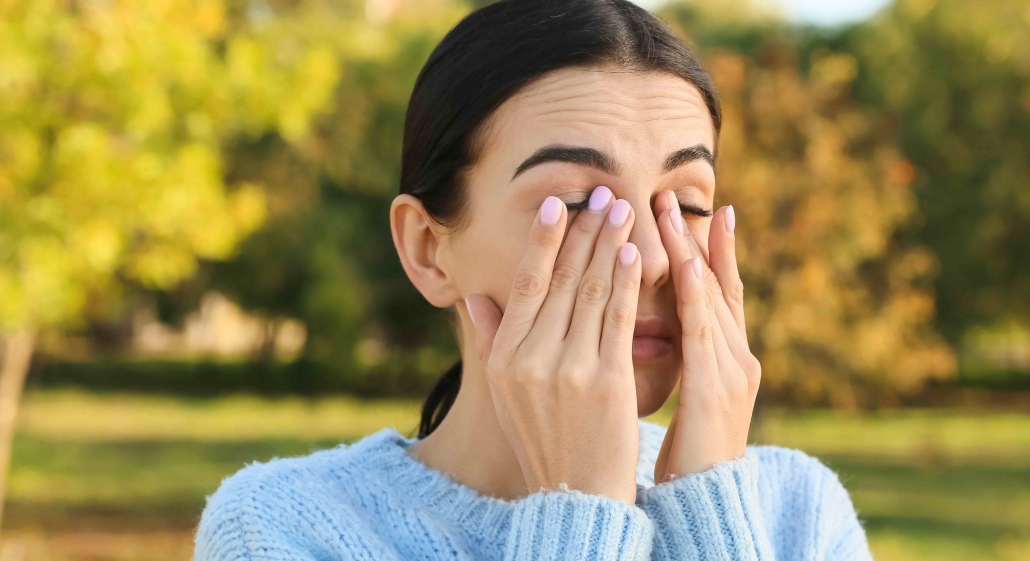
Make-up and lipsticks promise a fresh, flawless, and well-groomed appearance. However, certain ingredients in decorative cosmetics are causing allergic reactions on the skin in an increasing number of people.
The skin clearly shows that the use of day cream, blush, lip care, or mascara is not always optimal. And even if the product was well tolerated in the past, contact with the allergen can suddenly trigger a corresponding reaction.
The result is often allergic symptoms such as itching, redness, swelling, or even pain. Out of fear of allergic reactions, many people now avoid numerous facial care products or make-up. However, there is a wide range of products for allergy sufferers that are well tolerated by the skin.
It is important to know the triggering ingredients in order to find suitable alternatives for each skin type. Learn more here in our article on allergies to certain ingredients in cosmetics.
What Are the Symptoms of a Cosmetic Allergy?
Cosmetic and fragrance allergies are contact allergies that can be triggered by the concentration of the respective ingredient. Responsible for this is the so-called immunoglobulin E (IgE for short), an antibody with a key role in allergic reactions.
Initial contact with the allergen leads to the formation of antibodies in the blood. Upon renewed contact with the substance, the immune system reacts and the following allergic conditions or symptoms may occur:
- Skin rash or redness on skin or lips
- Itching or burning of the skin
- Swelling or pain in the area of application
- Dry, flaky, or painful skin
- Blistering or weeping eczema
- Eye redness, swelling, or itching
- Breathing difficulties or asthma attacks (when inhaling certain ingredients)
- Headaches, migraines, or allergic rhinitis (when inhaling certain fragrances)
- allergic asthma
- in the worst case: anaphylactic shock
The allergic symptoms may appear only hours or even up to two days later. This is individual, so the symptoms can occur in small areas or throughout the entire body.
More Than 3,000 Ingredients in Cosmetics Can Trigger Allergies
The term allergens refers to substances that are recognized as foreign by the body’s immune system and are fought against. A natural reaction to protect the organism. However, mistakenly against actually harmless substances. Fragrances, preservatives, or emulsifiers are considered potential ingredients with an increased allergy risk.
These substances generally have no therapeutic or cosmetic benefit. They merely serve to improve the consistency or shelf life of products. More than 3,000 of these ingredients are suspected of triggering contact allergies. These include, among others:
- Fragrances (perfume, aroma)
- synthetic dyes
- Parabens (ethylparaben, methylparaben)
- PEGs
- Sulfates
- Silicones
- Paraffin wax or paraffin oil
- Phthalates
- Formaldehyde
- Chloroxylenol
People who react to fragrances face a particularly great challenge. The triggering allergens are found not only in cosmetics, but often also in cleaners, detergents, and foods.
Sunscreens with artificially produced UV filters, such as ethylhexyl methoxycinnamate and benzophenone, also pose risks for many people. Possible reactions in the skin create new molecular compounds that promote allergic reactions.
What Can Be Done for a Contact Allergy?
Some allergic reactions can also lead to swollen lips, blisters, tightness, or itchy skin rash. This often results in psychological stress as well.
Anyone suffering from hypersensitivity to certain ingredients in cosmetics and care products should therefore avoid these allergens at all costs. An allergy test at a dermatologist provides information about which substances cause the skin reactions. Specific immunotherapy can minimize the reaction to certain allergens, but measures can also be taken in everyday life.
For sensitive skin, products without fragrances, dyes, emulsifiers, and alcohol—that is, ingredients without high allergy risk—should be used. This strengthens the natural skin barrier and does not additionally weaken the skin. This includes lip care, by the way.
To avoid allergic reactions, artificial additives such as stabilizers and preservatives should also be avoided. These ingredients are frequently found in conventional cosmetic products and lipsticks from drugstores.
Image source: Pixel-Shot/stock.adobe.com