 DE
Itchy Skin – 5 Tips from Skin Experts
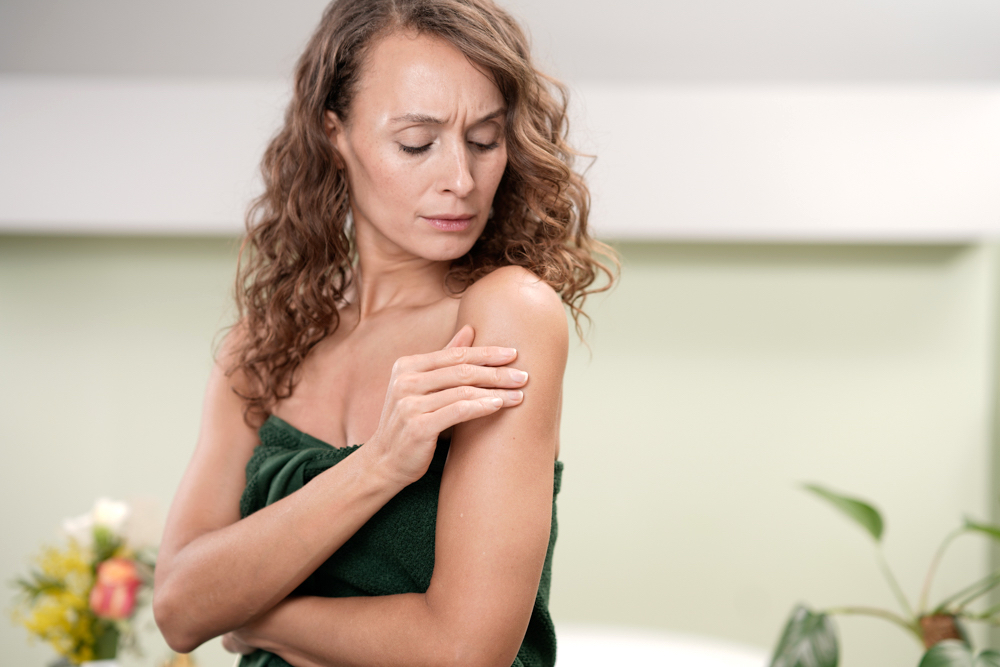
When skin itches, germs and bacteria are usually involved. Didn’t know that? We’ve probably all learned that the natural skin barrier function is often disturbed and becomes permeable. Or we scratch, introducing germs and bacteria into sensitive skin areas via our fingers or nails. Generally, itchy skin can often drive you crazy. If your skin itches, our 5 tips from skin experts can help quickly and easily.
What are possible causes of itching?
Itchy skin can have many causes. Often, symptoms such as dry and flaky skin, for example due to insufficient moisturizing care or as a result of age-related skin changes, are associated with itching (also called pruritus). Other triggers can also include insect bites, parasites like head lice or scabies mites, allergies, diseases such as neurodermatitis or psoriasis, or infections like cold sores or athlete’s foot. However, medications or stress can also be among the causes of itchy skin.
But no matter the reason, almost everyone has felt the urgent need to scratch an itchy spot. And initially, there is a feeling of improvement. But appearances are deceiving, because the itching quickly worsens and can even become inflamed. So-called histamines are to blame. A hormone known as a messenger substance for itching in the body. A normally harmless substance sensitizes the immune system, followed by a natural defense reaction and increased production of the hormone.
In cases of allergies or intolerances to foods, colorants, or preservatives, this described chain reaction can sometimes even fail to occur. An immediate increase in histamine production occurs. But in both cases, the result is an unpleasant itch that we all want to get rid of quickly.
Persistent itching is referred to as chronic pruritus. This can also be triggered by organic diseases such as diabetes mellitus, hyperthyroidism, and liver and kidney diseases. Tormenting itching, often all over the body, is also a typical accompanying symptom of infectious diseases such as chickenpox and measles. To avoid any risk, a skin expert or doctor should always be consulted to ensure the skin receives the correct treatment.
Eczema – one of the most common skin inflammations
Redness, flaking, or even blisters and weeping, often accompanied by severe itching, are typical symptoms of so-called eczema, also known as dermatitis. In medicine, eczema is described as an inflammatory reaction of the skin, which is not contagious. They are probably one of the most common skin inflammations, with many manifestations. These can lead to temporary or permanent discomfort. Often, external influences such as allergens or skin-irritating substances are the cause, for example, seen in diaper dermatitis, a so-called contact eczema.
This also includes seborrheic eczema. Influences such as weather or stress can be the cause. Yellowish, greasy flakes and a red rash appear, among other places, on the scalp. Hair care products, for example, can affect the scalp’s skin flora, destroy the natural skin barrier, and thus be one of the causes. Increased sebum production is the result, providing an optimal breeding ground for naturally occurring yeasts on the scalp. But even without fungi, the scalp’s regenerative capacity is disturbed, leading to the aforementioned flaking. The itching is not long in coming. If scratching then occurs, the vicious circle is complete, because bacteria, viruses, or fungi penetrate through the scratched skin areas and are then often the cause of infections.
Finally, the combination of environmental influences, a possible predisposition, and an increased immune reaction of the body is also considered a cause of eczema, such as in neurodermatitis (atopic dermatitis).


When skin itches – what to do? 5 expert tips that can provide first aid
- A seemingly simple tip: only use products that are very similar to the skin’s natural pH value. This prevents further strain on the skin. In general, skin-irritating ingredients should be avoided. The consumer advice center provides more information on this. Avoiding skin irritation also applies to cleansing, so always shower with lukewarm water, then gently pat the skin dry and moisturize.
- In addition, a skincare product should be chosen that strengthens the skin’s natural protective function and protects against dehydration. Dry skin, in particular, needs moisture, as it tends to feel tight or flake, allowing germs and bacteria to penetrate. Therefore, lipid-replenishing and moisturizing ingredients such as olive oil, shea butter, jojoba oil, urea, or skin vitamins A and E are recommended. Because dry skin is often itchy skin.
- Extreme cold, but also too much sun, should be avoided. This causes stress for the skin and only further throws it out of balance. But of course, a walk in breathable, loose-fitting clothing in the fresh air is always good for the skin and should not be removed from the list of leisure activities. In cold and UV radiation, it is only important not to expose the skin excessively to them.
- An allergy test can also help to identify triggers for itching and avoid them in the future. If necessary, prescribed medications must also be reviewed.
- For sudden, severe itching attacks, a cooling compress with vinegar or black tea can provide first aid.
- As described, inflammation very often accompanies itching. Therefore, anti-inflammatory ointments are recommended. These can be prescribed by a doctor or expert. In the worst case, medications can then be prescribed for the internal treatment of the skin. However, this should not be the rule and should only be used in emergencies.
More on the topic of itching (pruritus), skin, and skin reactions can be found in our articles in the Skin Journal and on our website.
 AdobeStock - ilon hautpflege