

 DE
Which type of hair removal is best for the skin?
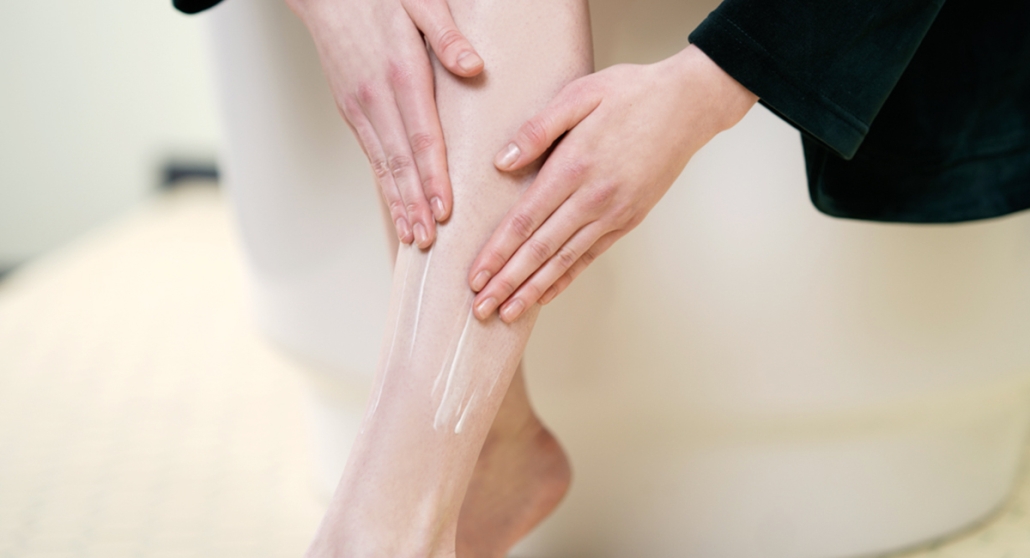
Depending on the individual condition of the skin and the part of the body to be treated, various methods can be used for body hair removal. The most suitable type of hair removal depends on the skin type and, of course, personal preference.
6 hair removal methods for smooth, well-groomed skin
1. Waxing
This is very popular for removing hair from the legs and bikini line and can also be performed at home using waxing sets. The hair is removed along with the root, which means it is not entirely painless. However, regular waxing causes the hair to become finer and the treatment less painful. The effect of smooth skin lasts for two to four weeks.
Brazilian waxing refers to the removal of pubic hair in the intimate area using the waxing method. Various styles can be used: with the Brazilian Hollywood Cut, all pubic hair is removed. With the Brazilian Landing Strip, two narrow, parallel strips of hair remain. Together with the hairless strip in between, it is reminiscent of a landing strip. The Brazilian Triangle is also modern—a small triangle of pubic hair. The shape of the pubic hair is completely customizable with the so-called Brazilian Special. Popular motifs include hearts, flowers, or butterflies.
After waxing, swimming, sunbathing, and greasy creams are off-limits for 24 hours. When waxing the armpits, this also applies to the use of deodorants. Small red dots may appear on the skin immediately after treatment. In most cases, these disappear on their own within a few hours. Mild, plant-based care products noticeably soothe the skin after waxing, ensure a pleasant skin feel, and prevent uncomfortable skin irritation.
2. Sugaring
A gentle and low-pain alternative to waxing, this method has been practiced in the Orient for thousands of years. A warm sugar paste, also known as Halawa, removes unwanted hair. Sugaring is only noticeable through a slight tugging sensation. The skin remains smooth and hair-free for four to six weeks. Due to the low risk of inflammation, based on the antiseptic properties of sugar, this method is well-suited for people with sensitive skin, allergies, or skin conditions.
Unattractive skin reactions such as small pimples are largely avoided, provided that no sports or solarium visits are planned for 24 hours after hair removal. The risk of skin irritation and inflammation can also be limited by using aftershave lotions. These soothe stressed skin and provide a smooth skin feel.
3. Epilating
An epilator looks similar to a shaver. During epilation, however, the hairs are not cut off but are pulled out of the skin along with the root. Depending on the device and the body zone treated, this can be painful and cause redness.
To avoid further skin irritation and inflammatory processes, it is recommended to cool the affected areas and apply moisturizing care. This prevents bacteria from penetrating the compromised skin. In principle, the area of skin being epilated should always be pulled taut, and the epilator should be held perpendicular to the skin surface. Epilation is always done against the direction of hair growth. Soften the skin and hair before epilating with a warm bath or a massage. This opens the pores and allows the hair to be pulled out more gently.
4. Cold wax strips
Cold waxing is a cost-effective method, especially for removing hair from the legs. Some practice is necessary for optimal success. In addition, the hair to be removed should be about 1 centimeter long. How long the skin remains smooth depends on the individual case: the effect can last only a few days, but also several weeks.
Red dots on treated areas are a normal skin reaction that disappears by itself after a few hours. To provide preventive protection against skin irritation and inflammation, care and moisture support the skin. Disinfecting properties simultaneously prevent bacteria from penetrating the irritated skin.
5. Hair removal creams
These have been used for hair removal and perms since the 1940s. Hair removal creams are based on thioglycolic acid and are highly alkaline substances. During application, they soften keratin, the basic building block of hair. After the application time, the hair can then be separated from the root without pain. To do this, the cream is scraped off with a spatula and the skin area is then thoroughly washed with lukewarm water. Due to severe skin irritation, hair removal in the intimate zone must be avoided.
Although the creams are enriched with nourishing ingredients such as bisabolol, vitamin E, or apricot oil, the skin is often damaged afterwards and requires special care after hair removal. To rebuild the skin’s compromised acid mantle, the use of a shower gel and a skin cream with a skin-neutral pH value is recommended. An after-shave balm can also be used to care for stressed skin after hair removal.
6. IPL procedure
With an IPL device, light pulses are delivered to the hair root, which destroy not only the root itself but also the surrounding tissue. This prevents further hair growth in the long term. Intense Pulsed Light is particularly suitable for people with light skin and dark body hair. White or light hair, on the other hand, cannot be removed. The application is considered very safe. However, incorrect or excessive use can cause redness, blisters, and pigment changes.
Sunbathing or visiting a solarium should be avoided immediately before and after hair removal. Otherwise, burns and pain may occur during treatment. As with all hair removal methods, the final application of a high-quality care product is recommended.
You can find even more on the subject of hair removal, shaving, or after-shave care in our skin journal.
Image source: Cesra Arzneimittel


