ilon
  • MENU
    • Home
    • ilon Products
      • ilon Classic
      • ilon Woundcare
      • ilon Protect
      • ilon Mousse
      • ilon Gel
      • ilon Cracked Heel Cream
      • ilon Nail Spray
      • ilon Nail Serum
    • Skin Guide
      • Skin Journal
      • Wounds
      • Abscesses
      • The Plant-Based Ingredients and Components of ilon
    • About ilon
      • The Company
      • Redel Foundation
    • Ilon Facebook Ilon Instagram Ilon Youtube
Cesra Arzneimittel Logo
Country
  • DE
You are here: Home1 / Skin Journal2 / Skin Care3 / Popping Pimples – Yes or No?

Popping Pimples – Yes or No?

Skin Care

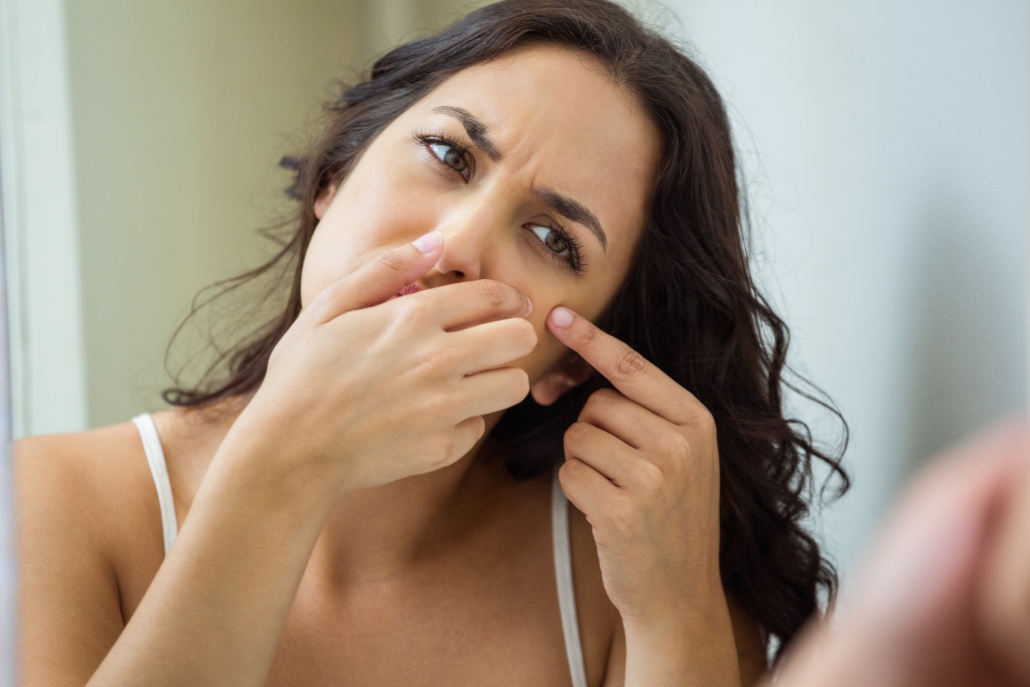
Hand on heart, who hasn’t toyed with the thought: to squeeze a pimple or not? Generally speaking, however, it is not a good idea, no matter how bothersome the blemished skin may be at the moment. In hindsight, “squeezing” can lead to much worse and more visible consequences, such as inflammation or even scarring. So, what is the correct way to deal with pimples and blackheads? Find out more here:

Whether blackheads (comedones), pustules, subcutaneous pimples, or papules, the treatment must be adapted accordingly depending on the severity. It is clear that all are stubborn, and the initial cause of pimple formation usually lies in clogged pores. This is mostly due to excessive sebum production, stimulated by, for example, an improper diet, incorrect skincare products, makeup, or even medication. If a (purulent) inflammation develops in the affected areas, experimentation should be avoided.

Should you pop pimples yourself?

Above all, the idea of popping a pimple yourself should be immediately dismissed. When squeezing, bacteria on fingers, nails, and skin can much more easily penetrate through the resulting wound. Pimples always form where pore-clogging sebum, dead skin cells, and bacteria meet in the sebaceous gland.

Furthermore, if the affected area is not properly and completely emptied, new formations can quickly reappear. If the thought is too tempting, always remember important hygiene, i.e., thoroughly clean skin and fingers and, ideally, wrap them in a tissue. Sometimes, tools like a comedone extractor can be a hygienic alternative. Ideally, the skin should be prepared with warm water or steam to open the pores. Afterwards, the affected area should always be treated with an antimicrobial product.

But be careful: never touch subcutaneous or deeper-lying pimples yourself. Incidentally, these usually disappear on their own, but it requires some patience.

Removing Pimple Scars

Acne is diagnosed when the skin is repeatedly affected by papules and pustules. Squeezing these often inflamed impurities would be fatal. Because the pressure can, in the worst case, cause the inflammation to spread into deeper skin layers and cause further inflammation. These processes generally destroy skin tissue, leading to what are known as pimple or acne scars.

Depending on their size and skin area, these can be removed using various methods, including more complex procedures such as:

  • Laser therapy
  • surgical correction
  • cryotherapy

or also:

  • a chemical peel
  • cortisone injections
  • abrasion of excess skin tissue (dermabrasion)
  • removal of affected skin via chemical peel
  • or microneedling.

However, ideally, it shouldn’t even get to that point. Therefore, the rule is: keep your hands off popping pimples or blackheads.

If you have questions about pimples, their treatment, or impure skin, you will find relevant answers in our Skin Journal and on our website.

Image source: WavebreakMediaMirco/stock.adobe.com

https://www.ilon.eu/wp-content/uploads/2022/06/AdobeStock_108597404-scaled.jpeg 1707 2560 Tanja Löwes https://www.ilon.eu/wp-content/uploads/2020/06/ilon_marke_logo.png Tanja Löwes2022-06-13 10:25:252026-10-23 14:49:50Popping Pimples – Yes or No?

« Back to the skin guide

Categories

  • Healthy living
  • Skin Care
  • Skin protection

Tags

Abscess Acne Acne vulgaris bacterial skin inflammation Blackheads blemished skin Boils Comedogenic Cuticle Diaper dermatitis Drawing ointment Face Facial care Finger Infections Friction Hair follicle inflammation healthy skin Home remedies inflammation Intertrigo Itching Nail care Nutrition Pimples Pimples on the buttocks purulent wound Pus Pus-filled pimples Sensitive Skin shaving Skin Skin Care Skincare Routine Skin health Skin Infection skin irritation Skin protection Skin type Sports Stress Tips for pimples Winter Wound Wound Healing Zinc ointment

ilon Products

ilon Classic
Naturally strong for skin inflammation.
ilon Woundcare
Care & protection for stressed skin.
ilon Protect
Breathable protection against moisture, pressure & friction.
ilon Mousse
For very dry skin.
ilon Gel
For very dry skin.
ilon Cracked Heel Cream
For dry, cracked heels.
ilon Nail Spray
Care, protection and regeneration of problem nails.
ilon Nail Serum
Care, protection and regeneration for nails prone to fungal infections.

Skin Guide

Tips for the skin

Skin conditions

Herbal active ingredients

The ilon Brand World

ilon Does Good

Humanitarian Commitment-Redel Foundation

Frequently asked questions

Nail bed infection

Swollen toe

Inflammation from splinters

Minor abscesses

What helps with eczema


Home | Legal Notice | Privacy Policy | Terms of Use | The Company | For Professionals


Home

Legal Notice

Privacy Policy

Terms of Use

The Company


ilon is a brand of Cesra Arzneimittel | www.cesra.com/en

ilon is a brand of
Cesra Arzneimittel
www.cesra.com/en

Link to: Which type of hair removal is best for the skin? Link to: Which type of hair removal is best for the skin? Which type of hair removal is best for the skin? Which type of hair removal is best for the skin? Link to: How does folliculitis develop? Where does it occur? Link to: How does folliculitis develop? Where does it occur? How does folliculitis develop? Where does it occur? How does folliculitis develop? Where does it occur?
Scroll to top Scroll to top Scroll to top