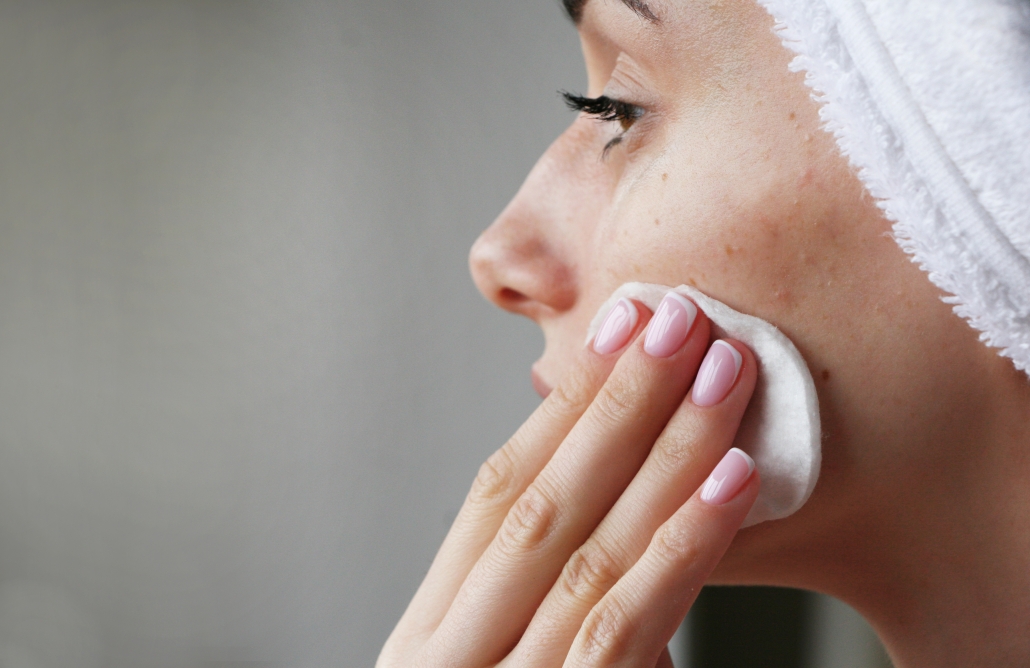
Acne vulgaris, acne simplex, or common acne. The terms are diverse, just like the typical signs of this skin condition: pimples, blackheads, papules, pustules, or oily skin. Those affected by acne are mostly adolescents, but adults can also be affected. In addition to the visible signs of acne, the psychological factors should not be neglected. What exactly can be done, how does acne develop, and what helps? You can find more information in the following paragraphs.
What is acne and how does it develop?
The cause of acne lies primarily in altered and increased sebum production. This is due, among other things, to altered hormone production, mostly that of androgens (male sex hormones). Under normal conditions, the sebum produced serves to protect the skin from external influences, for example, and to maintain the skin’s suppleness. However, with hormonally induced increased production of sebum and horny cells (corneocytes), there is an accumulation and thus a clogging of the pores, and the first blackheads form. This environment provides optimal conditions for bacteria, which is the basis for inflammation. Depending on the severity and degree of inflammation, a distinction is made between mild to severe acne.
- Mild acne (Acne comedonica): Symptoms include open and closed blackheads or pimples. The skin on the nose, chin, and forehead is particularly affected. Inflammation is not visible in this form of acne.
- Moderate acne (Acne papulo-pustulosa): This involves inflammation, such as purulent pustules or tender papules. In addition to the face, the chest or back can also be affected. In many cases, these disappear without leaving visible marks. However, this also depends on how the skin condition is managed. With frequent scratching or incorrect treatment, small scars can occasionally remain.
- Severe acne (Acne conglobata): In this form of acne, in addition to blackheads and pimples, larger skin inflammations also appear. The formation of abscesses is also possible. Scarring is very common here. This form of acne primarily affects male adolescents and men.
Especially in severe cases, it is important to consult a doctor to jointly determine the right treatment or care.
In addition to adolescents, adults can also develop acne. This is called acne tarda or late-onset acne. A main difference lies in the affected body parts. While the focus in adolescents is the so-called T-zone on the face, as well as the back and neck, in adults it is more often the cheek, chin, or neck area. However, this is often individual and does not apply universally to everyone. Generally, it can be said that the areas of the skin with many sebaceous glands are primarily affected.
What helps against acne?
What helps can be revealed by an accurate diagnosis of the symptoms. For mild acne, simply adjusting the skincare routine to individual needs can help. This can also reduce skin irritations caused by unsuitable products or even clothing. In severe cases, medication is often used. However, support from the immediate environment is always crucial. Many sufferers often feel uncomfortable in their own skin and have low self-esteem. It is, after all, usually the face that is affected and always in the viewer’s field of vision and focus. Thus, small tricks can also provide some assistance to make everyday life easier: for example, makeup to cover affected skin areas, a change of hairstyle to shift focus, or simply clothing that conceals severely inflamed areas. Of course, these tricks do not eliminate the skin condition. However, they can make daily interaction with one’s reflection and oneself easier.
But no matter which path is chosen in acne treatment, everyone should individually consider what works best to cope with and live with acne. In most cases, acne disappears with increasing age and the end of puberty. For adults, similar approaches should be taken in acne treatment. However, pre-existing conditions, lifestyle habits, diet, or medications taken should be questioned more closely, as these are considered possible co-triggers for acne.
Acne treatment for diabetes mellitus
High blood sugar always affects the skin and its functions, and therefore the skin of diabetics is considered more sensitive and susceptible to injuries. If skin problems such as dryness and itching are added, those affected tend to scratch. This, in turn, opens up another vicious circle. Because this allows bacteria and germs to penetrate the skin’s protective barrier more easily. If pimples, papules, or pustules are also present, one should not try to find a solution on their own in such a skin condition, but absolutely consult a doctor. Furthermore, proper skincare as well as nutrition play a particularly important and sensitive role. Only in this way can further worsening be avoided and the skin be given optimal treatment.
Find more problem skin topics, as well as care tips and information, now in our Skin Journal.
Image source: AdobeStock


 DE