

 DE
Shaving properly – tips for skin without razor burn
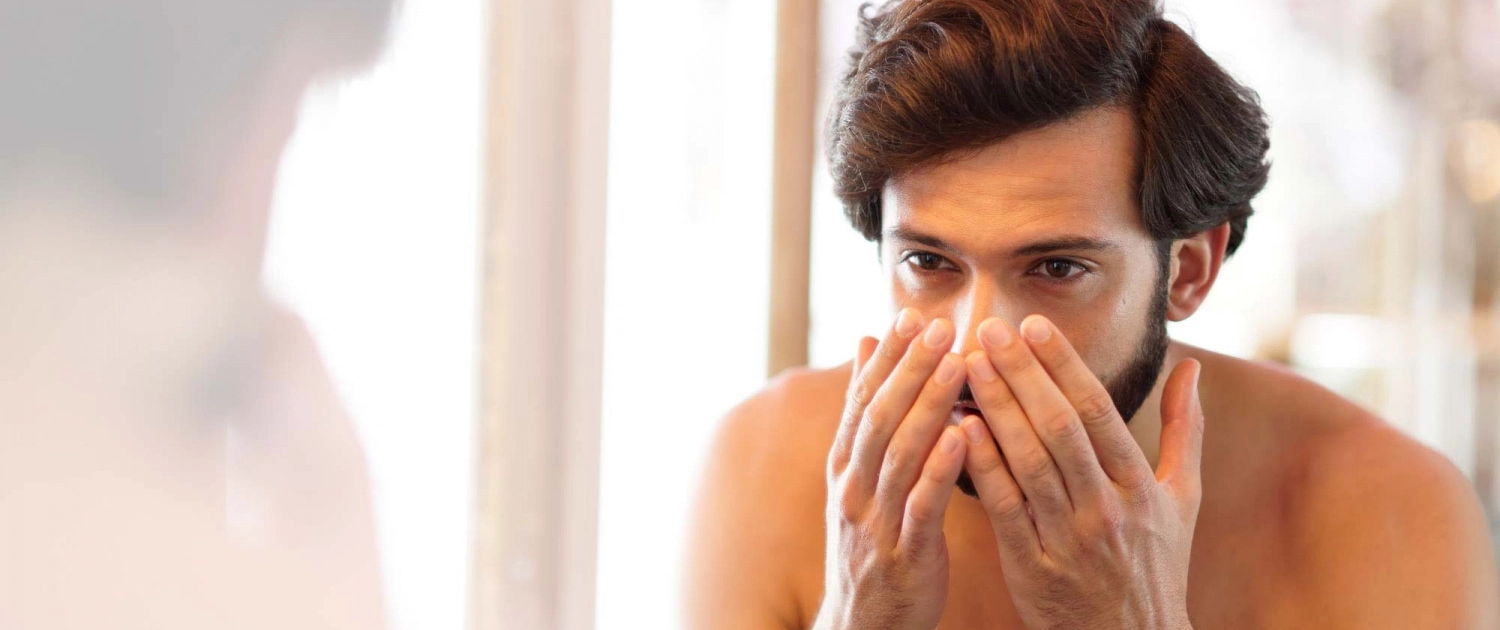
Beautiful and smooth—that’s how skin should look after shaving. But after just a few days, the first little hairs start to grow back, whether after shaving the underarms, legs, or intimate area. Those little hairs are rarely welcome. It becomes even more unpleasant when, after shaving, it’s not smooth skin that catches the eye, but rather small red bumps. Razor burn not only looks unattractive, it is also a sign of skin inflammation or improper hair removal. But how exactly can you shave properly, and what tips do experts have for us for skin without razor burn!?
Men’s skin and women’s skin differ
Not only women—men also prefer smooth skin. Whether on the face or the body, hair often has to go. There are a few important facts to consider in order to avoid unpleasant side effects during hair removal. In general, there is a difference in skin thickness between women and men. Men’s skin consists of several cell layers, has higher collagen production, and therefore withstands external influences better. Increased moisture-binding capacity often makes men’s skin appear firmer until the mid-30s. The lipid film is more stable and circulation is improved. At first glance, all of this results in skin that is firmer and more elastic. However, the skin can also be prone to keratinization and feel less soft than women’s skin. For men’s skin as well, the following applies: there are different skin types and skin needs influenced by factors such as hormones, age, or lifestyle. Despite these differences, very similar shaving tips apply to women and men to avoid razor burn.

If you remove hair, do it properly!
Clean the skin thoroughly before shaving
Proper preparation before shaving is crucial, so the skin should always be cleared of everyday dirt, dead skin flakes or residue from previously used skincare products beforehand. This cleansing also relaxes the skin and prepares it well for shaving, but this also applies to methods such as laser treatment, epilating, waxing, or sugaring. What applies to the skin naturally also applies to the blade used: it should always be cleaned well and regularly.
Shave in the direction of hair growth and without pressure
The closer the hair is removed to the root, the longer you can enjoy smooth skin. However, especially with sensitive skin, it is advisable to be cautious, as skin irritation can be the result. For a gentle shave, always shave in the direction of hair growth and without pressure—especially when shaving the intimate area.
Only shave with a sharp blade
A dull razor blade also means a risk of injury. Sharp blades glide over hair and skin. Dull blades, on the other hand, can cause friction. In addition, dull or older blades are more susceptible to bacteria and can therefore be the cause of irritation.
Wet shave or dry shave – your skin type determines it
With both methods, a small portion of the upper horny layer of the skin is always removed—these are also minor injuries to the skin. Healthy skin can easily repair these irritations because the skin barrier functions properly and responds immediately. Sensitive skin, on the other hand, loses moisture and reacts with irritation or redness. The choice of shaving method should therefore depend on your skin type. For dry skin, dry shaving is recommended. With wet shaving, the skin swells and the razor glides more easily. While this sounds positive at first, it also involves a risk of injury, because wet shaving makes it easier to slip with the blade and allows bacteria to enter when skin pores are open.
The be-all and end-all is the right aftershave
Afterwards, the skin needs good care to prevent razor burn or other irritation. Sensitive skin in particular needs support, but special care should be taken when choosing an aftershave product. Alcohol-containing products can put additional strain on sensitive skin. Heat, sweat, or sunlight can also irritate the skin after shaving. To avoid redness or inflammation, you should therefore refrain from exercise or sunbathing immediately after hair removal. An aftershave, on the other hand, should be applied directly to the skin. But be careful: if the hair is not only cut but also pulled out, or if bacteria enter the tiny injuries, inflammation of the hair follicle may result.
What to do about ingrown hairs
In most cases, hair removal works without ingrown hairs, but dull blades or unclean skin, among other things, can encourage them. For example, the hair may not have been shortened properly, which can cause regrowing hairs to grow in the wrong direction. A lack of cleansing, or only rough cleansing, can also cause skin flakes to clog the hair root and make normal regrowth impossible. It is important to soak the skin well so the hair can be removed more easily with disinfected tweezers. Follow-up care with anti-inflammatory and soothing skincare protects the skin. If a purulent skin inflammation or hair follicle inflammation does occur, you will find important tips here for further treatment and care, as well as for choosing the right products.
Treat folliculitis effectively – with ilon Classic
Redness, swelling, or small foci of pus after shaving? The herbal ilon Classic has proven its worth: its effectiveness in treating folliculitis was confirmed in a dermatological study. It acts specifically against the causative bacteria, reduces inflammation, and significantly decreases the number of lesions.
Compared to iodine, ilon Classic impresses with its pleasant application – almost colorless on the skin and with a subtle fragrance.

Source: Görne R. C. / Günnewich N. / Huber H. / Wallmen B. / Zimmermann C. (2023): Turpentine Ointment for the Treatment of Folliculitis, Skin Pharmacology and Physiology, DOI: 10.1159/000535711

