

 DE
Slowing Down and Preventing Natural Skin Aging
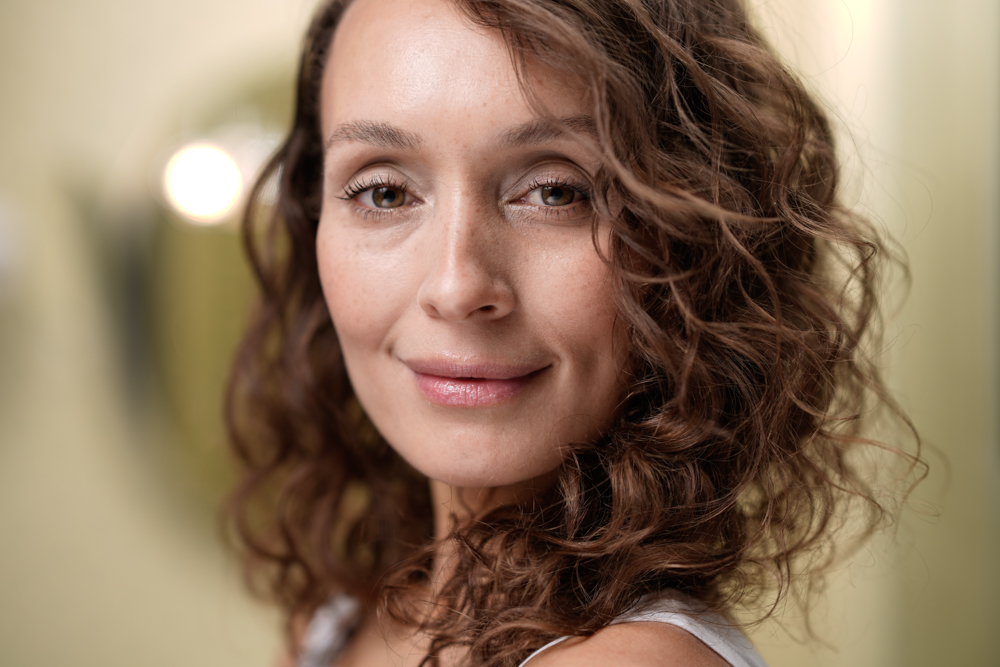
The natural process of skin aging means that our skin becomes drier over the years and loses elasticity. The first signs of skin aging, from fine lines to visible wrinkles, appear. This process begins as early as age 25 and awakens the desire to slow down and prevent natural skin aging.
Skin Aging Is a Natural Process – How It Occurs
From the first fine lines on young skin, small wrinkles and crow’s feet develop in the early to mid-30s. As we age, these accompany us in the form of facial or forehead wrinkles and become deep wrinkles. Slowing down and preventing natural skin aging, or slowing down the signs of skin aging, is therefore a primary goal for many people beyond a certain age.
Loss of Moisture, Fat, and Elasticity. The Internal Factors
As we age, our body changes. However, no part of the body reveals age as easily as the skin. These changes occur in all three skin layers:
• While in young people the epidermis, the outermost layer of skin, renews itself approximately every 28 days, cell metabolism slows down over the years. In addition, the skin’s lipid production also decreases. The result: the skin becomes drier and rougher, developing greater sensitivity to harmful UV radiation. At the same time, susceptibility to infections also increases, as pathogens can penetrate more easily through fine cracks in the skin.
• The dermis consists largely of firm connective tissue that is both strong and elastic due to a balance of collagen and elastin. Over the years, the proportion of these two substances in the middle skin layer decreases. At the same time, the ability to bind water in the skin cells also diminishes. The skin loses elasticity and firmness, forms wrinkles and becomes thinner, and no longer looks as rosy.
• The subcutis serves as cushioning and energy storage with fat cells and connective tissue fibers. As a result of the aging process, the size and number of lipid cells decrease. This causes the skin to lose volume and wrinkles to become deeper. In addition, the skin’s natural wound healing mechanisms deteriorate.
Natural muscle movements that create our expressive facial expressions also intensify wrinkles. The effort required by various muscles and nerves stimulates neuromuscular interaction, but also causes wrinkles to deepen and visible aging of facial skin.

5 Tips on How to Slow Down Skin Aging
Skin aging cannot be attributed exclusively to gerontological causes. Genetic factors can also play a role. In addition, the environment has a significant influence on the development of skin appearance. Generally speaking, skin aging cannot be stopped, but premature skin aging can certainly be slowed down. However, this also requires perseverance. Short-term quick fixes are rarely successful and seldom produce the desired effect. Rather, targeted care should be an integral part of the beauty routine throughout the year—not only from the outside, but also from the inside:
UV Radiation
For example, people who frequently use tanning beds develop wrinkles much faster. The reason for this is the skin-damaging effect of UV radiation. The laser beams of tanning beds imitate the intense rays of sunlight. An oversupply of sunlight not only ages the skin, but also reduces the immune system’s performance and can therefore be a trigger for herpes, among other things. Therefore, good UV protection is an important tip for protecting the skin.
Alcohol Consumption, Smoking, and Stress
Other risk factors include excessive alcohol consumption and stress. It is even riskier if one smokes for years. The substances contained in cigarettes alter the hormonal cycle, so that estrogen supply no longer follows regular patterns. Women are therefore much more at risk when it comes to the influence of nicotine on wrinkle formation. Thus, the second tip includes a healthy lifestyle with particular attention to nutrition.
Circulation
Good circulation stimulates metabolism in the blood vessels. This allows harmful substances to be transported away more easily, and skin and tissue are better supplied with oxygen and important nutrients. In addition to healthy exercise in fresh air, circulation can be stimulated with daily alternating showers and dry brushing or massages.
Nutrition and Free Radicals
An unbalanced, vitamin-poor diet, high cholesterol levels, and insufficient fluid intake promote the formation of free radicals. These are released as by-products during metabolic processes and are suspected of attacking important molecules in the human organism, including DNA, RNA, and proteins. In contrast, a balanced and varied diet with plenty of fresh fruit and vegetables, healthy fats, and protein-rich foods such as fish, eggs, and legumes can contribute significantly to a more beautiful complexion.
Moisture
For the skin to look smooth and healthy, it must be supplied daily with sufficient moisture from both inside and outside. When choosing a cream or body lotion, ensure that the product is tailored to your individual skin type.
Collagen and Elastin
Proteins, in turn, are involved as fibers in the composition of the skin layers. Together with collagen and elastin, they form the “skeleton” of the skin. If the function of the fiber proteins is impaired, the skin lacks structure and its resistance to mechanical stress and environmental influences decreases. Slowing down and preventing natural skin aging? A supply of important skin vitamins and corresponding ingredients can naturally promote collagen formation and reduce wrinkle formation.
Spiralin
Certain naturally derived ingredients can be valuable additions to an anti-aging skincare routine. Ingredients such as natural hyaluronic acid from snow fungus and the microalgae ingredient Spiralin® can help moisturise and condition the skin. Combined with appropriate skincare, such ingredients can help support a smoother, well-cared-for and healthy-looking complexion.
Vitamins such as vitamin C, vitamin A (retinol) and vitamin E are also commonly used in skincare products to support the appearance and condition of the skin.
For more interesting topics about skin and skin care, follow the link to the Skin Journal.

