

 DE
What happens to our skin when we exercise?
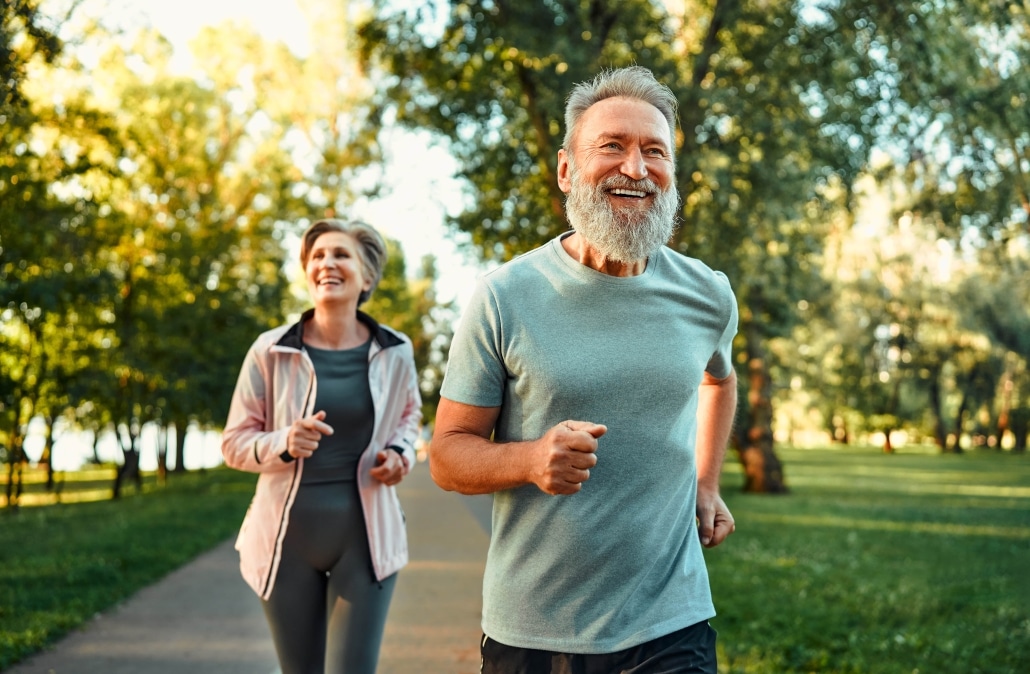
Just 30 minutes of exercise a day is enough to reduce excess pounds on the buttocks and thighs, build muscle, and strengthen connective tissue. If you want visible results, you should focus on consistency—whether through endurance sports, targeted strength exercises, or a combination of both.
No time for daily training? No problem: Even small changes in everyday life make a difference. Stairs instead of the elevator, bike instead of car—this makes it easy to incorporate movement. An active lifestyle not only has a positive effect on your figure, cardiovascular system, and metabolism, but is often reflected in your skin as well. This is because exercise promotes circulation and stimulates cellular metabolism—both important factors for healthy, fresh-looking skin. Conversely, internal imbalances in the body, such as stress or an unbalanced diet, can also become visible on the skin. Regular exercise therefore not only supports well-being, but can also strengthen the skin from within.
Stimulating metabolic activity
Regular exercise gets your metabolism going. Even moderate physical activity, such as brisk walking, cycling, or light strength training, increases circulation, improves the oxygen supply to cells, and boosts energy turnover. This allows nutrients to be processed more efficiently, waste products to be removed more effectively, and the entire organism—including the skin and immune system—to be positively influenced. An active metabolism is therefore not only good for your figure, but also for overall well-being.
Promoting circulation and renewal of skin cells
Rosy skin—many people are familiar with this during or after a workout. This is due to increased circulation and the associated improved oxygen uptake. More oxygen in the body, in turn, improves regeneration and cell renewal. In addition to cell renewal, free radicals can also be fended off more effectively—also beneficial for skin health. However, this does not apply to high-performance sports, because depending on the level of exertion, increased hormone release can occur, which may have the opposite effect.
Skin-tightening effect through exercise? Yes—but indirectly
Regular physical activity can have a positive effect on skin firmness and overall appearance. While exercise does not automatically make the body produce more collagen, it does promote circulation and metabolism—both support cell regeneration and collagen synthesis. Collagen is an important structural component of connective tissue and contributes significantly to skin firmness and elasticity.
In addition, regular training strengthens the muscles, which can have a visibly positive effect, especially on sagging skin—the skin is supported from underneath, so to speak. Combined with a balanced diet, sufficient sleep, and good skincare, exercise can help keep the skin looking firm and fresh for longer.

Positive effects on blemish-prone skin
Exercise not only affects the body, but also has a positive impact on the appearance of the skin—especially for blemish-prone skin. One of the most important effects concerns hormone balance: Regular physical activity can lower the stress hormone cortisol. Since elevated cortisol levels can promote inflammation and stimulate sebum production, less stress often benefits the skin with a clearer, more refined appearance.
Sweating also supports this effect: When you sweat, pores open and sebum and dirt can be removed more easily—a natural cleansing process for the skin. However, this only works if the skin is clean before training. Make-up or heavily covering skincare products can clog the pores, preventing sweat and sebum from draining properly—often resulting in clogged pores, blackheads, or pimples.
Therefore: When exercising, use as little make-up as possible, or only light, breathable make-up. And be sure to shower after training—ideally with lukewarm water and mild, skin-neutral cleansing products. If you leave the film of sweat on the skin for too long, you risk not only clogged pores but also moisture loss, as dried sweat draws water out of the skin. Gentle care afterwards helps restore the skin’s moisture balance.
Further positive effects of exercise
Exercise has a positive effect on the body and skin in many ways. Physical activity helps reduce stress, promotes greater balance, and increases overall well-being—not least due to the increased release of “feel-good” hormones such as endorphins, serotonin, and dopamine. These hormonal changes not only affect the psyche, but also the appearance of the skin, as stress is considered a common trigger for skin problems such as blemishes or eczema.
Regular exercise can also strengthen the immune system. Factors such as training intensity, recovery, and nutrition play an important role here. Moderate, regular exercise supports the body’s defenses and has an anti-inflammatory effect—whereas overly intense or uncontrolled training can overwhelm the body and may even weaken the immune system in the short term. If you train mindfully and regularly, you not only promote your physical health, but also support your skin—from within.
Fit for your skin—how to care for it around exercise
Always remember: Change your clothes.
After exercising, it’s time to get out of sweaty clothes quickly—and not just because of potential odors. The warm, moist environment creates a skin climate that causes the skin to swell and become more sensitive. Combined with friction from tight sportswear, this can easily lead to skin irritation—such as pressure marks, chafing, or pimples. The good news: With a few simple measures, such as changing into dry clothes, gentle cleansing, and suitable care, these issues can be avoided effectively.
Always keep in mind: Friction during exercise? Protect your skin!
During exercise, pressure and friction occur wherever skin comes into contact with clothing, equipment, or other parts of the body. Particularly vulnerable areas include the feet, inner thighs, armpits, nipples, and the shoulder and hip areas. Typical complaints are blisters, chafing, and sore skin. Endurance and movement sports such as running, cycling, riding, or rowing put particular strain on the skin. Strength training or climbing also often causes friction on the hands and shoulders.
To prevent skin irritation, it is recommended to wear well-fitting functional clothing without irritating seams. Protective ointments or greasy barrier products such as ilon Protect can significantly reduce friction. For certain sports, special tapes or plasters can also help, for example on the nipples when running. Gloves, seat pads, or padded straps provide additional relief.
Always keep in mind: Sun protection.
Proper clothing and sunscreen with a high sun protection factor protect against skin-damaging UV rays—and this applies in every season. Even in winter, UV radiation can affect the skin, especially during prolonged time in the sun, for example when sledding or skiing in the mountains. Reflective effects from the snow increase the sunburnrisk.
Always keep in mind: After exercise, skincare is a must!
After exercise, it’s not only your muscles that are strained—your skin also needs targeted care. Sweat, friction, and mechanical stress can irritate, dry out, or even damage it. That is why the skin should be thoroughly cleansed after training with lukewarm water to remove sweat residue and potential irritants. Afterwards, it is important to pat the skin carefully dry—do not rub, to avoid additional friction.
A moisturizing care cream or a regenerating balm helps restore the moisture balance and strengthen the skin barrier. Especially for sensitive or already irritated skin, a protective yet soothing formulation can optimally support natural regeneration.
FAQ:
Skin During Exercise
Stress hormones increase during high-intensity exercise – this can make sensitive skin temporarily more irritable. Balance is key: regular, moderate training is usually more skin-friendly than infrequent “all-out” sessions.
Regular exercise boosts blood circulation and oxygen supply, visibly supporting regeneration and cell renewal. Simultaneously, your complexion can feel fresher and more even as nutrients better penetrate the skin.


